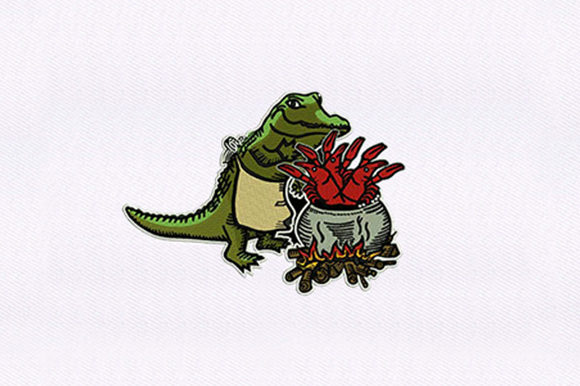
Seafood Alligator Design Review
As an embroidery designer who spends countless hours digitizing and testing files for real-world application, I approach every new download with a critical eye. We all know the frustration of purchasing a machine embroidery design that looks fantastic in the preview but turns into a bird’s nest of thread breaks and puckering on the hoop. Recently, I came across the Seafood Alligator Design on Creative Fabrica, and it immediately caught my attention for its whimsical yet detailed aesthetic. After evaluating its potential for my upcoming seasonal collection, I wanted to share an honest assessment of how this file performs and where it fits best in a professional workflow.
First Impressions and Visual Appeal
The first thing that strikes you about the Seafood Alligator Design is its playful personality. It bridges the gap between rustic Southern charm and modern quirky decor, making it a versatile asset for various niches. The visual mood is lighthearted, featuring an alligator engaging with seafood elements, which creates an immediate narrative hook for the viewer. For those of us selling handmade products, storytelling through design is crucial, and this piece delivers that instantly.
In terms of stitching personality, the design appears to balance decorative appeal with technical feasibility. It does not rely solely on massive blocks of color, which can often lead to stiffness in the final finished product. Instead, it utilizes a mix of textures that suggest a thoughtful combination of satin stitch borders and fill stitch interiors. This variety is essential for keeping the fabric flexible, especially when working on items that need to drape well, such as tote bags or apparel.
Practical Applications for Commercial Use
When considering where to apply this embroidery file, the possibilities extend far beyond simple samples. For Etsy sellers and small business owners, versatility is key to maximizing return on investment. Here is how I envision using this design in real projects:
- Custom Apparel: This design shines on sweatshirts and t-shirts. The whimsical nature makes it perfect for casual wear, appealing to customers looking for unique conversation starters.
- Kitchen and Dining Decor: Given the "Seafood" theme, this is an ideal candidate for aprons and kitchen towels. It adds a personalized touch to home goods that are popular gifts for housewarmings.
- Tote Bag Design: A canvas tote featuring this alligator motif could easily become a staple item for grocery runs or beach days, provided the stabilizer is chosen correctly to handle the weight.
- Embroidered Patch: If the size permits, this could be stitched out as a standalone patch and ironed onto denim jackets or backpacks, expanding its utility beyond direct-to-garment embroidery.
For boutique merchandise and craft fair products, the Seafood Alligator Design offers a distinct advantage: it stands out. In a sea of generic floral and monogram designs, a character-based food theme captures attention. This can significantly enhance buyer trust and engagement, as customers perceive the brand as creative and fun.
Technical Considerations and Stitching Performance
While the aesthetic is promising, the technical execution is where many designs fail. As a professional, I always advise checking the stitch density before committing to a large production run. Dense areas can cause puckering, particularly on stretchy fabrics like jersey knits used in sweatshirt embroidery. To mitigate this, I recommend using a cut-away stabilizer for apparel to provide long-term support, whereas a tear-away might suffice for woven cottons like those used in pillow covers or baby blankets.
Another critical factor is the hoop size. You must confirm that your machine’s hoop accommodates the dimensions of this design. If you are working with smaller hoops, you may need to check if the design is split or if it fits within your standard 4x4 or 5x7 area. Always test on scrap fabric first. This step is non-negotiable. It allows you to inspect small details after stitching, ensuring that fine lines do not get lost and that color transitions are smooth.
Thread color contrast is another element to manage carefully. The Seafood Alligator Design likely relies on specific shades to define the alligator’s scales and the seafood elements. When stitching on dark fabric, you may need to adjust your underlay or use a top-stitching technique to ensure the colors pop. Conversely, on light fabric, ensure that the fill stitches are dense enough to prevent the background from showing through unintentionally.
File Formats and Compatibility
One of the strongest aspects of purchasing from Creative Fabrica is the variety of formats provided. This product includes a comprehensive list: 10O, ART, CND, DSB, DST, DSZ, EXP, HUS, JEF, PCS, PEC, PES, TAP, VIP, VP3, and XXX. This wide range ensures compatibility with most major embroidery machines, from Brother and Babylock to Janome and Husqvarna Viking. However, always verify the specific format your machine reads best. While PES is standard for many, older machines might require DST or EXP. Having access to multiple formats reduces the risk of conversion errors, which can sometimes alter stitch paths and cause timing issues.
Enhancing Product Value and Branding
Using high-quality design assets like this one directly impacts your brand consistency. When customers receive a personalized gift or a custom item that looks professionally executed, their likelihood of returning increases. The Seafood Alligator Design contributes to this by offering a polished look that translates well into product photography. A clean, well-stitched design photographs better, leading to higher click-through rates on platforms like Etsy or Instagram.
Furthermore, this design supports the creation of printable mockups. Before you even stitch a single thread, you can place the digital file onto mockup images of aprons, caps, or tote bags. This allows you to gauge visual appeal and plan your marketing strategy efficiently. It helps in creating cohesive collections, such as a "Southern Kitchen" series or a "Whimsical Wildlife" line, enhancing the perceived value of your shop.
Final Verdict and Best Practices
Is the Seafood Alligator Design worth downloading? For designers looking to add character and humor to their portfolio, yes. It fits naturally into the Food and Embroidery categories without feeling forced. However, success depends on proper preparation. Always review the license terms on the Creative Fabrica product page to ensure compliance for commercial embroidery sales. Most licenses allow for physical finished products, but digital resale is typically prohibited.
To get the best results, follow these steps:
- Test Stitch: Run the design on a similar fabric to your final product to check for tension issues.
- Check Stabilizer: Match your stabilizer to the fabric weight and stretch.
- Inspect Details: Look closely at the smallest elements to ensure they are legible and secure.
- Verify Hoop Size: Ensure the design fits your available hoop without resizing, which can distort stitch density.
In conclusion, this design is a solid addition to any digital library for those specializing in fun, thematic embroidery. With careful attention to technical details, it can elevate your custom apparel and home decor offerings, providing both joy to your customers and reliability to your production process.