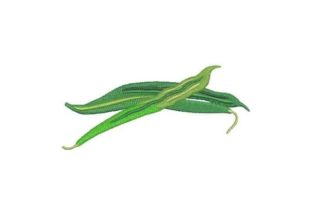
Bush Beans: A Designer’s Review for Boutique Sweatshirts
As an embroidery designer who has spent years digitizing and testing patterns for small clothing brands, I approach every new machine embroidery design with a critical eye. It is not just about whether the image looks cute on a screen; it is about how that design translates into thread on fabric. Recently, I evaluated the Bush Beans design for an upcoming limited sweatshirt drop for a boutique client. The goal was to create a cozy, harvest-themed collection that felt premium yet playful. Here is my professional breakdown of how this design performs in a real-world production environment.
First Impressions: Mood and Aesthetic Appeal
The moment I loaded the Bush Beans preview, the mood was immediately clear. This is not a complex, hyper-realistic botanical illustration. Instead, it leans into a charming, hand-drawn aesthetic that feels rustic and inviting. For a Food category item, it avoids being too literal or clinical. The layout suggests a cluster of beans, likely with simple leaves or vines, creating a compact motif that is perfect for apparel.
The "cute" factor mentioned in the product description is accurate, but as a designer, I look deeper. Does "cute" mean childish? In this case, no. The simplicity of the shapes gives it a modern, minimalist edge that works well for adult apparel. It feels decorative without being overwhelming. This balance is crucial for a boutique brand targeting customers who want unique, handmade vibes without sacrificing sophistication. The design personality reads as warm, organic, and slightly whimsical, making it an excellent fit for the current trend of cottagecore and slow-fashion aesthetics.
Visualizing Bush Beans on Sweatshirt Fabrics
The true test of any embroidery file is its versatility across different garments. I mentally placed Bush Beans on several key pieces from our planned collection to assess its visual impact.
- Neutral Sweatshirts: On heather grey or oatmeal-colored fleece, the design pops beautifully if paired with earthy thread colors like sage green, olive, and cream. The contrast is soft, enhancing the cozy feel.
- Dark Fabric: Placing this on a charcoal or navy hoodie requires careful color selection. Brighter greens or even a subtle gold thread could provide the necessary contrast to ensure the beans do not get lost in the dark background.
- Pastel Colors: For a spring or early autumn release, pastel pink or baby blue sweatshirts offer a fresh canvas. Here, the design takes on a more feminine and playful tone, appealing to a younger demographic.
- Oversized Hoodies: The compact nature of the bean cluster makes it ideal for oversized fits. It does not need to be large to make a statement. A smaller placement on the chest feels intentional and high-end, rather than like a leftover logo.
This versatility confirms that Bush Beans is not just a seasonal novelty but a flexible asset for year-round custom apparel. Whether used for a Halloween harvest theme or a general gardening lover’s gift, it adapts well to the fabric texture and color.
Technical Considerations for Production
Moving from concept to production, I always scrutinize the technical specs. While the product description notes that the design comes in multiple file formats, it is vital for any Etsy seller or shop owner to verify the specific hoop sizes and stitch counts before purchasing. These details determine whether the design fits your machine’s capabilities.
Stitch Density and Fabric Thickness
Sweatshirts and hoodies are made from thick, textured fabrics. A common mistake is using a design with too high a stitch density, which can cause puckering or make the garment stiff. Based on the visual simplicity of Bush Beans, I anticipate a moderate stitch count that should sit well on fleece without excessive pull. However, I recommend running a test stitch on a scrap piece of your actual sweatshirt material. If the design feels too dense, adjusting the underlay or choosing a lighter top thread can help maintain the soft drape of the fabric.
Stabilizer Choice
For sweatshirt embroidery, the choice of stabilizer is non-negotiable. I strongly suggest using a cut-away stabilizer for permanent durability, especially if these garments will be washed frequently. A tear-away might seem easier, but on stretchy knit fabrics, it often fails to provide enough support during the stitching process, leading to distorted beans or uneven edges. The goal is a finished product that looks professional after ten washes, not just out of the hoop.
Small-Size Readability
One concern with detailed food designs is how they shrink. If you plan to use Bush Beans as a sleeve accent or a small chest logo, check the smallest available hoop size. Ensure that the individual beans remain distinct and do not merge into a green blob. If the design loses definition at smaller sizes, stick to medium placements, such as a left-chest position on a standard hoodie or a central placement on a tote bag.
Branding and Commercial Value
For small shop owners, every design contributes to brand identity. Bush Beans offers a way to tap into the popular "garden-to-table" narrative. It signals to customers that your brand values nature, simplicity, and handmade quality. This emotional connection can significantly boost buyer trust and engagement.
When creating printable mockup previews for your online store, this design shines. It photographs well because the shapes are bold and recognizable even in thumbnail images. Use lifestyle photography that includes natural elements—wooden tables, dried flowers, or coffee cups—to reinforce the rustic, harvest vibe. This context helps customers visualize the handmade product in their own lives, increasing the likelihood of conversion.
Furthermore, because the design is described as carefully hand-designed, it lacks the generic feel of mass-produced clipart. This uniqueness is a selling point. In a saturated market of digital embroidery file sellers, offering a design with character helps your small shop product stand out. It allows for creative branding opportunities, such as pairing the embroidery with custom hang tags or packaging that features similar botanical illustrations.
Placement Ideas for Maximum Impact
Beyond the standard left-chest placement, consider these creative applications for Bush Beans to maximize its commercial potential:
- Hoodie Chest Pocket: If your sweatshirts have kangaroo pockets, placing the beans just above the pocket seam creates a focal point that draws the eye upward.
- Sleeve Accents: Embroider the design on the lower sleeve near the cuff. This subtle detail feels exclusive and high-fashion, appealing to customers looking for unique hoodie design elements.
- Back Yoke: For a bolder statement, place a larger version of the design on the upper back, just below the neckline. This works well for oversized crewnecks and adds visual interest from behind.
- Matching Sets: Use the same design on matching adult and child sweatshirts. The cute aesthetic of Bush Beans translates perfectly to family matching sets, a huge market segment for boutique brands.
Final Verdict for Designers
In conclusion, Bush Beans is a strong contender for any designer looking to add a touch of rustic charm to their commercial embroidery lineup. It balances cuteness with sophistication, making it suitable for a wide range of demographics. While the product description confirms compatibility with various formats, always double-check the specific hoop size requirements and license terms for commercial use before starting production.
By paying attention to thread contrast, stabilizer choice, and strategic placement, you can transform this simple Embroidery design into a standout piece in your collection. It is not just a pattern; it is a tool for storytelling, helping your brand connect with customers who appreciate the warmth and authenticity of handmade goods. For those preparing their harvest season inventory, this design is worth a serious look.