Review: Heart-shaped Hot Air Balloon Embroidery Design
As a designer who spends more time staring at stitch maps than actual fabric, I have learned that the difference between a good machine embroidery design and a great one often comes down to how it translates from screen to thread. Recently, I pulled up the Heart-shaped Hot Air Balloon file to evaluate its potential for an upcoming spring collection. At first glance, the concept is charming—a whimsical fusion of romance and adventure—but my job is to look past the cute preview image and determine if this design holds up under the needle.
First Impressions and Visual Personality
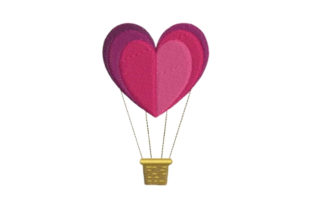
The immediate mood this design creates is soft, nostalgic, and undeniably sweet. It does not scream for attention with aggressive outlines or overly complex shading. Instead, it relies on clean shapes and what appears to be well-placed satin stitch details to define the balloon’s structure. For those of us creating Valentine S Day merchandise, this is a welcome departure from the standard, cluttered heart motifs flooding the market. The silhouette is distinct enough to be recognized from a distance, which is crucial for items like tote bags or sweatshirts where the viewer might be several feet away.
The layout feels balanced. The heart shape provides a natural container for the balloon elements, ensuring that the design does not feel top-heavy or unstable. This visual stability is key when you are aiming for a professional finish on a handmade product. If the design looks lopsided in the software, it will look amateurish on the garment. Fortunately, this embroidery file seems to respect symmetry while maintaining a hand-drawn charm.
Real-World Application: From Screen to Stitch
To truly test the viability of the Heart-shaped Hot Air Balloon, I imagined a specific real-life scenario: a custom order for a boutique baby shower gift. The client wanted a personalized muslin swaddle blanket and a matching organic cotton onesie. This is where practical design judgment comes into play. Baby items require designs that are soft to the touch and durable enough to withstand frequent washing.
Given the description of "gorgeous satin stitch details," I would approach this project with caution regarding stitch density. Satin stitches are beautiful and provide a lovely sheen, but if they are too dense or wide, they can become stiff and scratchy against sensitive skin. For the onesie, I would recommend scaling the design down slightly to ensure the satin columns remain narrow and flexible. For the swaddle, however, the full size would work beautifully, adding a touch of elegance without overwhelming the delicate fabric.
Beyond baby items, this design has strong potential for custom apparel aimed at adults. Imagine this embroidered on the left chest of a high-quality hoodie or the back yoke of a denim jacket. The romantic yet adventurous theme appeals to a broad demographic, making it a versatile asset for Etsy sellers and small shop owners looking to expand their catalog beyond seasonal holidays. It transitions smoothly from a holiday embroidery piece for February to a general love-themed design suitable for anniversaries or weddings year-round.
Fabric Considerations and Technical Challenges
No design exists in a vacuum; it interacts with the material it is stitched on. When evaluating the Heart-shaped Hot Air Balloon, I considered how it would perform on various textures. On smooth, woven fabrics like poplin or twill, the satin stitch details should pop with clarity. However, on textured fabrics like terry cloth or heavy fleece, some of the finer details might get lost. In such cases, using a contrasting thread color can help maintain visibility.
One area requiring careful attention is the use of stretchy knits. If you are applying this to a t-shirt or leggings, proper stabilization is non-negotiable. A cut-away stabilizer is likely necessary to prevent the design from puckering or distorting over time, especially if the satin stitches pull on the fabric. For curved surfaces like caps, the design’s width needs to be checked against the hoop size and the cap’s front panel curvature. If the design is too wide, it may wrap around the sides, causing distortion. Always check the dimensions provided in the file package before hooping.
Dark fabrics present another challenge. If the design relies on subtle shading, it may not show up well on black or navy garments. In these instances, I recommend testing a version with bolder thread colors or adding a light-colored underlay to make the design pop. Some designers opt for an applique design approach for larger versions, but since this is described as a standard embroidery design with satin details, sticking to thread work is the intended path.
Enhancing Product Value and Brand Consistency
For craft business owners, the choice of design directly impacts perceived value. A clean, well-digitized design like the Heart-shaped Hot Air Balloon signals professionalism. Customers may not know the technical terms like stitch density or fill stitch optimization, but they can see when a design looks crisp and intentional versus messy and tangled. Using high-quality threads that complement the design’s color palette further elevates the finished product.
This design also lends itself well to branding. Because it is unique and not overly generic, it can become a signature motif for a shop specializing in romantic or whimsical goods. When used consistently across different products—such as tote bag design prints, embroidered patches, and kitchen towels—it helps build brand recognition. Buyers begin to associate that specific heart-balloon imagery with your quality and style.
Practical Designer Notes for Best Results
Before running this design on a customer’s expensive garment, always follow these practical steps:
- Test on scrap fabric: Use the same type of fabric and stabilizer you plan to use for the final project. This allows you to check for puckering, thread breaks, or tension issues.
- Check thread contrast: Ensure your chosen thread colors stand out against the fabric. A low-contrast combination can make the design look muddy from a distance.
- Review stitch density: If the design feels too stiff after stitching, consider reducing the density in your editing software if you have the rights and skills to do so, or choose a lighter fabric.
- Confirm hoop size: Verify that the design fits comfortably within your machine’s hoop, leaving enough margin for clamping.
- Inspect small details: Zoom in on the digital preview to ensure there are no tiny, isolated stitches that might cause nesting or bird’s nests during sewing.
- Licensing check: Since the product description mentions it comes with multiple files, confirm whether the license allows for commercial use if you plan to sell items made with this digital embroidery file.
In conclusion, the Heart-shaped Hot Air Balloon is a thoughtful addition to any designer’s library. It balances aesthetic appeal with practical versatility, suitable for everything from baby embroidery to boutique sweatshirt embroidery. By paying attention to fabric choice, stabilization, and thread selection, you can ensure that this design delivers a high-quality result that delights customers and enhances your reputation as a skilled maker.