Unicorn for Kids: A Designer’s Craft Fair Review
As an embroidery designer who has spent countless weekends behind a craft fair table, I have learned that not every pretty design translates into a best-selling handmade product. When I first loaded the Unicorn for Kids machine embroidery design onto my hoop, my immediate goal was not just to admire the art, but to evaluate its commercial viability. Does it stop traffic? Does it look premium? Is it practical for batch production? This review breaks down how this specific Fairy Tales themed artwork performs in the real world of small business sales.
First Impressions: Cute, Bold, and Market-Ready
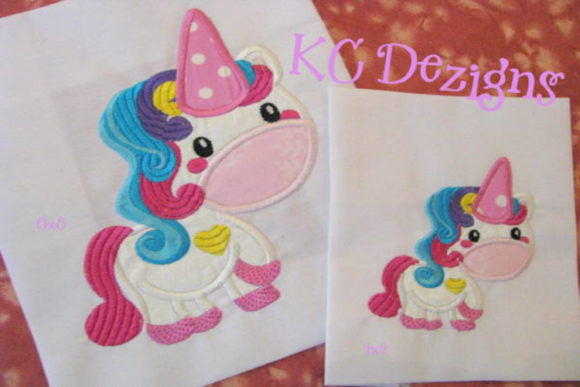
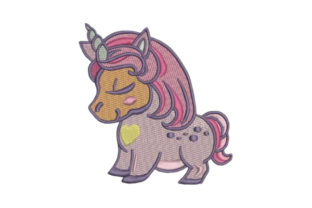
The moment you view Unicorn for Kids, the cartoon style jumps out. It is not subtle or minimalist; it is bold, cheerful, and undeniably adorable. For a craft fair environment, this is a significant advantage. Customers walking past a booth have only seconds to decide whether to stop. A design that reads clearly from three feet away is essential. This embroidery file delivers that instant visual impact. The lines are clean, and the character expression is friendly, making it perfectly suited for children’s items. It feels modern yet timeless, avoiding overly trendy elements that might date the product quickly.
However, "cute" can sometimes risk looking cheap if not executed with high-quality materials. The key to elevating this design is in the thread choice. Because the style is cartoonish, using vibrant, high-sheen rayon or polyester threads enhances the playful nature without sacrificing the perceived value of the finished product.
Product Applications: Where This Design Shines
To determine the best use for Unicorn for Kids, I tested it across various blanks commonly sold at handmade markets. Here is how it performed on different substrates:
- Tote Bags: This is arguably the strongest application. A canvas tote with this unicorn centered creates an instant tote bag design that appeals to parents and young teens. The flat surface of the bag allows the stitch work to lie smoothly, ensuring the details remain crisp.
- Aprons: Children’s cooking aprons are a staple in many boutique shops. The apron embroidery looks charming when placed on the bib area. It transforms a simple utility item into a giftable keepsake.
- Tea Towels: While popular, tea towel embroidery requires caution. If the towel has a loose weave or heavy texture, the finer details of the unicorn’s mane or eyes might get lost. I recommend using a tight-weave flour sack towel for the best clarity.
- Embroidered Patches: Creating an embroidered patch allows for versatility. Customers can buy the patch to iron onto jackets or backpacks later. This is excellent for inventory management, as you can produce batches of patches in advance without committing to a specific garment size.
- Caps and Hats: Stitching on curved surfaces is tricky. For this design, ensure the cap front is structured. If the unicorn is too wide, it may distort around the curve. Check your hoop size compatibility carefully before attempting caps.
Production Practicality for the Etsy Seller
For the Etsy seller or digital creator, efficiency is profit. One of the strengths of Unicorn for Kids is its repeatability. The design does not appear to have excessive jump stitches or complex color changes that would slow down production significantly. This makes it a viable small shop product for days when you need to fulfill multiple orders.
Photography is another critical factor. This design photographs exceptionally well for online listings. The distinct outlines and bright potential color palette create high contrast against white, pastel, or even dark fabrics. When creating a printable mockup or taking photos for your store, ensure you capture the texture of the stitches. Close-up shots that highlight the stitch density help convey quality to remote buyers who cannot touch the item.
As a digital embroidery file, it serves as a valuable asset for other makers. If you are selling the design itself rather than the physical item, ensure your listing highlights that it comes in multiple sizes. This flexibility allows buyers to use it for everything from small pouches to large pillow covers.
Careful-Use Notes and Technical Considerations
While the design is robust, there are technical pitfalls to avoid. Every experienced embroiderer knows that fabric texture can make or break a design. Avoid using this on highly textured fleece or terry cloth unless you use a substantial cut-away stabilizer. The tiny details, such as the unicorn’s eye or horn tip, may sink into plush fabrics.
Additionally, consider the thread colors carefully. If you choose to stitch this on dark fabric, you must use a light-colored backing or a zig-zag underlay to prevent the fabric from showing through the stitches. Dark fabrics can also make the shadows in the cartoon style look muddy if the thread contrast is not sharp.
Another common issue is scaling. If you shrink the design too much for a small pocket or cuff, the internal details may merge. Always test stitch at the smallest intended size on scrap fabric. Verify that the stabilizer you are using matches the weight of your fabric. A lightweight tear-away might suffice for cotton, but a knit shirt will require cut-away support to prevent puckering.
Enhancing Brand Consistency and Booth Appeal
In a crowded market, your booth display must tell a story. Unicorn for Kids fits seamlessly into a Fairy Tales or whimsical brand aesthetic. By grouping products featuring this design—such as a matching set of a tote, a water bottle sleeve, and a hair clip—you create a cohesive visual block. This strategy increases the perceived value and encourages bundle purchases.
For commercial embroidery businesses, consistency is key. This design offers a reliable look that can become part of your signature collection. When customers recognize your style, they return. Use this design to anchor a spring or summer collection, where bright colors and playful themes resonate with buyers looking for seasonal gifts.
Final Designer Verdict
Before adding Unicorn for Kids to your production line, take these final steps:
- Test on Scrap Fabric: Never skip this step. Check for registration issues and thread breaks.
- Check Licensing: Confirm the license terms included with the design assets. Ensure you have the right to sell finished products if that is your business model.
- Review Hoop Size: The description mentions multiple sizes, but verify which hoop fits your machine to avoid last-minute resizing errors.
- Create a Real Mockup: Stitch one perfect sample for your display table. A flawless sample sells the design better than any photo.
In conclusion, Unicorn for Kids is a strong contender for any maker focusing on children’s goods. It balances aesthetic appeal with production practicality. Whether you are selling physical craft fair products or digital files, this design offers the charm and clarity needed to engage buyers and drive sales. With careful attention to fabric choice and stabilization, it can become a reliable staple in your Embroidery portfolio.