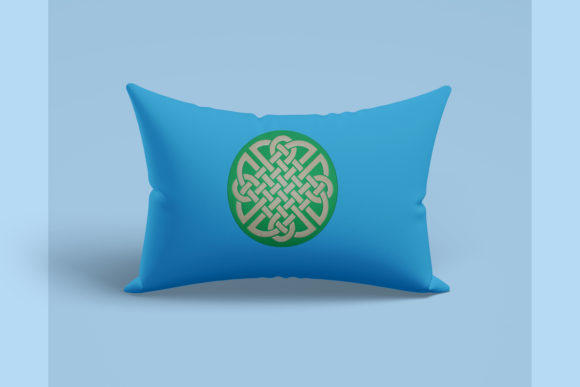
Celtic Knot: A Designer’s Review for Holiday Collections
As an embroidery designer who spends countless hours analyzing stitch paths and color transitions, I approach every new machine embroidery design with a critical eye. It is not just about whether the design looks good on a screen; it is about how it performs in the real world, especially during the high-stakes holiday season. Recently, I reviewed the Celtic Knot design, part of the "Around The World" category, to determine its viability for seasonal product lines. This embroidery file promises versatility across six sizes, digitized by hand for pillows, t-shirts, sweatshirts, and more. Here is my professional assessment of how this design fits into a modern maker’s holiday strategy.
First Impressions: Timeless Elegance Meets Seasonal Warmth
The immediate visual impact of the Celtic Knot is one of enduring stability and intricate beauty. Unlike trendy graphics that may feel dated by next year, Celtic imagery carries a nostalgic, rustic, and slightly spiritual weight that resonates deeply during the winter holidays. The interlacing lines suggest continuity and connection, themes that align perfectly with family gatherings and gift-giving traditions.
From a decorative standpoint, the design feels premium. It does not rely on excessive fill stitches to create volume, which keeps the stitch density manageable while maintaining visual interest. This balance is crucial for seasonal embroidery, where customers often seek items that feel special but not overly bulky. The emotional tone is cozy yet elegant, making it suitable for both traditional Christmas decor and broader winter celebration items. Whether you are aiming for a rustic cabin aesthetic or a sophisticated modern look, this design adapts well through thread choice alone.
Strategic Product Applications for the Holiday Rush
When planning a small shop product lineup for the holidays, versatility is key. The fact that this digital embroidery file is available in six sizes allows for a cohesive collection across different merchandise types. Here is how I envision deploying this design in a real-world sales scenario:
- Sweatshirt Embroidery: Using the medium-to-large sizes on the left chest or back of a heavyweight hoodie creates a high-value handmade gift. The knotwork stands out beautifully against heather grey or deep forest green fabrics, appealing to buyers looking for comfortable, stylish winter wear.
- Pillow Cover Accents: For home decor, the larger sizes work exceptionally well on square pillow covers. Placed centrally or in a corner, the design adds a touch of heritage charm to living room setups, a popular niche for Etsy seller home decor shops.
- Kitchen Towel Embroidery: The smaller sizes are ideal for hemming kitchen towels. This is a classic personalized gift option. Pairing the Celtic motif with monogramming can elevate a simple towel into a cherished heirloom-quality item.
- Tote Bag Design: Canvas totes are holiday staples for gift wrapping and shopping. The robust nature of the knot design holds up well on thick canvas, providing a durable and attractive tote bag design that customers will use long after the season ends.
- Embroidered Patch: If you offer patches, this design’s closed loops make it an excellent candidate for iron-on or sew-on applications. Patches are low-commitment purchases that appeal to younger demographics looking to customize jackets or bags.
Navigating Technical Challenges and Fabric Choices
While the design is versatile, successful execution requires attention to technical details. As a designer, I advise caution when working with specific materials and hoop constraints. The intricate overlaps in a Celtic knot can become muddy if the stitch density is too high for the chosen fabric.
For dark fabric applications, such as navy or black sweatshirts, thread selection is critical. Standard rayon or polyester threads may lack the necessary contrast. I recommend testing metallic or variegated thread colors to highlight the depth of the knots. However, be mindful that metallic threads can be brittle; ensure your machine tension is perfectly calibrated to prevent breakage during the dense stitching phases.
When using this design on stretchy garments like t-shirts, proper stabilization is non-negotiable. A cut-away stabilizer is essential to prevent the fabric from puckering around the dense areas of the knot. Additionally, for items like curved caps, ensure you are using the smallest size provided to avoid distortion. Always check the recommended hoop size for each variant of the file to ensure the design fits without needing to re-hoop, which can lead to alignment issues.
Enhancing Brand Value and Customer Trust
Incorporating a well-digitized design like Celtic Knot into your collection does more than just add inventory; it enhances your brand’s perceived value. High-quality commercial embroidery signals to customers that you care about craftsmanship. During the holiday shopping period, buyers are often overwhelmed by mass-produced options. Offering a finished product with clean, professional stitching builds trust and encourages repeat business.
To maximize this effect, focus on your presentation. Create realistic mockups that show the texture of the stitches. A printable mockup or high-resolution photo that highlights the raised texture of the embroidery can significantly increase conversion rates on social media and Etsy listings. Show the design in context—on a cozy blanket, a festive apron, or a gift-ready tote. This helps the customer visualize the item in their own life, triggering the emotional response needed to close the sale.
Practical Designer Notes for Implementation
Before launching your holiday campaign featuring this design, take these practical steps to ensure quality control:
- Test on Multiple Fabrics: Stitch out samples on both light and dark fabrics, as well as different textures like fleece, cotton, and linen. This helps you identify any potential pulling or gapping issues.
- Verify File Details: Although the description states the design is digitized by hand and available in six sizes, always verify the exact stitch count and file formats compatible with your machine before purchase. Ensure you have the correct digital embroidery file extensions for your equipment.
- Check Licensing Terms: Confirm the commercial licensing terms provided with the design. Most designers allow the sale of finished physical goods, but restrictions may apply to sharing the digital file itself. Respect intellectual property to maintain professional integrity.
- Plan Color Palettes: Develop three distinct colorways for your marketing. For example, a traditional red and green for Christmas, a silver and white for winter elegance, and a gold and navy for a premium look. This demonstrates versatility to potential buyers.
- Inspect Small Details: After stitching, examine the intersections of the knots closely. If there are jumps or loose threads, adjust your trim settings or use a fabric marker to hide minor imperfections on dark fabrics.
The Celtic Knot is a strong contender for any holiday embroidery collection. Its blend of historical charm and modern applicability makes it a safe yet stylish choice for a wide range of products. By paying attention to fabric compatibility, stabilization, and presentation, you can leverage this design to create standout items that resonate with customers seeking meaningful, high-quality handmade gifts. Whether used for a simple pillow cover or a complex apparel piece, this design offers the reliability and aesthetic appeal needed to succeed in the competitive seasonal market.