Horned Devil: A Designer’s Review for Holiday Embroidery
As an embroidery designer who spends countless hours digitizing and testing patterns, I approach every new machine embroidery design with a critical eye. It is not just about whether the image looks good on a screen; it is about how it translates to fabric, how it holds up in the wash, and ultimately, how it sells during the high-pressure holiday season. Recently, I reviewed the Horned Devil design, and I am eager to share my practical insights for fellow Etsy sellers, crafters, and small business owners looking to expand their seasonal collections.
First Impressions: Mood and Aesthetic Appeal
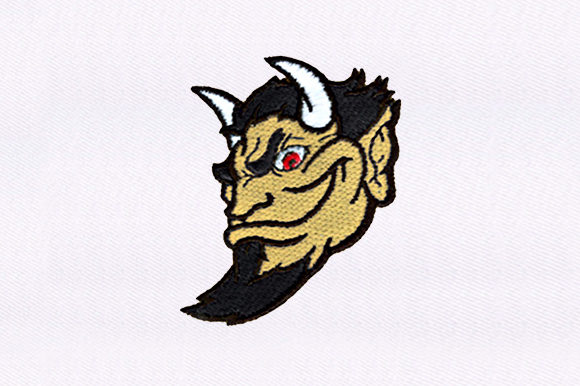
The first thing that strikes you about the Horned Devil is its distinct character. It does not rely on overly complex shading or photorealistic details, which can often cause thread breaks or puckering. Instead, it offers a bold, graphic style that feels both playful and slightly mischievous. This balance is crucial for Halloween and autumn-themed products. The design captures a festive mood that leans more towards "cute spooky" rather than terrifying, making it incredibly versatile for a wide demographic, including families with young children.
In terms of decorative style, this piece feels modern yet nostalgic. It fits seamlessly into the current trend of whimsical holiday decor. Whether you are aiming for a rustic farmhouse vibe or a bright, pop-art aesthetic, the clean lines of this embroidery file allow it to adapt. For buyers, this emotional tone suggests fun and celebration, which drives impulse purchases during the seasonal embroidery rush.
Technical Specifications and Hoop Compatibility
Before launching any product, we must look at the technical constraints. The Horned Devil is optimized for a 4×4 hoop size, with dimensions of 3.14 inches in width and 3.76 inches in height (79.7×95.5 mm). With a stitch count of 16,104, this is a medium-density design. This is a sweet spot for many applications. It is detailed enough to look premium but not so dense that it turns stiff fabric into cardboard.
The design comes in ten major EMBROIDERY FILE FORMATS: 10O, ART, CND, DSB, DST, DSZ, EXP, HUS, JEF, PCS, PEC, PES, and TAP. This extensive format support is a significant advantage for digital embroidery file buyers who may use various machine brands, from Brother to Janome to Bernina. However, always double-check your specific machine’s compatibility before purchase.
Strategic Product Applications for the Season
Where does Horned Devil shine in a real-world retail environment? I have mapped out several high-potential products where this design adds immediate value.
- Sweatshirt Embroidery: This is arguably the best application. Placed on the left chest of a black or orange crewneck, the design becomes a standout feature. The 4×4 size is perfect for adult and youth sizes alike, allowing for family matching sets.
- Tote Bag Design: Canvas totes are huge sellers for trick-or-treating. The bold lines of the devil motif pop against natural or dark canvas, creating a durable and reusable handmade gift.
- Kitchen Towel Embroidery: For home decor enthusiasts, adding this motif to the corner of a flour sack towel creates an instant seasonal update for the kitchen. Ensure you use a cut-away stabilizer to prevent distortion on the loose weave.
- Embroidered Patch: Because of its defined edges, this design works beautifully as an iron-on or sew-on patch. Patches are low-risk items for customers who want to customize their own jackets or bags later.
- Pillow Cover Accents: Centered on a small throw pillow, it serves as a focal point for living room decor. Pair it with textured fabrics like velvet or faux fur for a premium feel.
Navigating Production Challenges
While the design is robust, there are areas where caution is necessary. As an experienced designer, I advise paying close attention to stitch density when working with stretchy garments. Although 16,104 stitches is manageable, using a proper stabilizer is non-negotiable. For knit fabrics like sweatshirts, a medium-weight cut-away stabilizer will ensure the design does not pucker after washing.
Another consideration is thread colors. The devil motif likely relies on contrast. If you are stitching on dark fabric, such as navy or black, ensure your thread palette has sufficient brightness. Metallic threads can add a magical touch to horns or accents, but they require slower stitching speeds and careful tension adjustments to prevent breakage. Always run a test stitch on a scrap piece of your actual fabric texture before committing to a final finished product.
Additionally, avoid placing this design on curved surfaces like baseball caps unless you have significant experience with cap framing. The 3.76-inch height might distort on highly curved panels. Stick to flat or slightly curved surfaces for the best visual recognition.
Boosting Sales and Brand Consistency
From a marketing perspective, Horned Devil is a strong asset for building a cohesive seasonal collection. It enhances buyer emotion by tapping into the joy of holiday preparation. When used in printable mockup images for your online store, it creates immediate visual recognition. Customers scrolling through Etsy listings are drawn to clear, high-contrast designs that communicate the theme instantly.
This design also supports higher perceived value. A simple t-shirt becomes a personalized gift when adorned with quality embroidery. By offering this as part of a bundle—perhaps paired with a matching pumpkin or ghost design—you increase the average order value. It builds customer trust because the crisp lines suggest professional digitization, reflecting well on your brand’s consistency.
Practical Designer Notes for Success
- Test on Light and Dark Fabrics: Create samples on both white cotton and black polyester to verify color visibility.
- Check Stitch Density: If your machine struggles with high stitch counts, consider resizing slightly down, but never up, to maintain detail integrity.
- Confirm Hoop Size: Ensure your 4×4 hoop is properly aligned. Even a millimeter off can clip the edges of the horns or tail.
- Create Realistic Mockups: Use photos of actual stitched items rather than just digital overlays. Show the texture of the thread to prove quality.
- Review Commercial Licensing: Before selling any commercial embroidery products, confirm the license terms included with your digital embroidery file purchase. Most designers allow physical sales but prohibit sharing the digital file itself.
In conclusion, the Horned Devil is a versatile, well-digitized addition to any autumn or Halloween inventory. It balances technical feasibility with strong aesthetic appeal, making it a reliable choice for small shop product lines. By focusing on quality materials and strategic placement, you can transform this single design into a range of best-selling items that delight customers and boost your seasonal revenue.