Review: Pirate Ship Applique Pattern for Gifts
As an embroidery designer who has spent years testing digital files for real-world application, I approach every new machine embroidery design with a mix of curiosity and caution. We all know that what looks perfect on a screen does not always translate seamlessly to fabric. Recently, I had the opportunity to test the Pirate Ship Applique Pattern for a personalized gift shop project. My goal was not just to see if it stitched out cleanly, but to determine if it held the emotional weight and aesthetic charm required for high-end custom orders. Here is my practical review of how this design performs in a professional setting.
First Impressions: Charm and Playful Detail
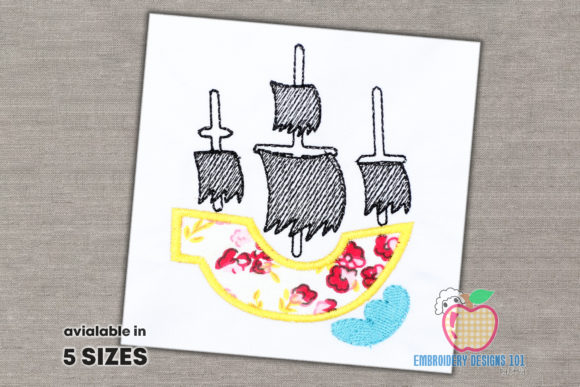
The moment I loaded the digital embroidery file, the mood of the design was immediately apparent. It strikes a delightful balance between playful adventure and classic nautical charm. Unlike some overly complex designs that can look cluttered when scaled down, this pattern relies on clean lines and bold shapes, which is ideal for applique work. The separation of steps by color changes suggests a thoughtful digitizing process, allowing for precise placement of fabric pieces before the satin stitches secure them.
For a personalized gift, the emotional appeal is significant. It evokes feelings of childhood wonder, exploration, and fun. This makes it particularly suitable for baby showers, young children’s rooms, or even nostalgic gifts for adults who love maritime themes. The design feels handmade and warm, avoiding the sterile look that sometimes plagues mass-produced items. It has a timeless quality that fits well within the broader category of Pirates themed decor without being overly aggressive or scary for younger audiences.
Versatility Across Product Lines
One of the strongest assets of the Pirate Ship Applique Pattern is its versatility. In my test run, I evaluated how it would perform across various substrates commonly used in small shop products. Here is where this design truly shines for Etsy sellers and crafters:
- Baby Embroidery: The soft curves of the ship sails and hull make it gentle enough for nursery items. It works beautifully on muslin swaddle blankets or cotton onesies, provided the correct stabilizer is used.
- Kitchen and Home Decor: Imagine this design on an embroidered towel or a linen apron. The contrast of colorful thread against neutral fabrics creates a striking visual that appeals to buyers looking for unique home accents.
- Tote Bags and Pillows: For a sturdy pillow cover or canvas tote, the applique technique adds texture and dimension. It transforms a plain item into a statement piece, increasing the perceived value of the finished product.
- Wedding and Family Keepsakes: While primarily playful, this design can be adapted for family monograms or "Captain" themed wedding gifts for groomsmen, adding a touch of humor and personality to traditional events.
For custom embroidery businesses, having a design that works across multiple categories means you can market it to a wider audience. Whether you are creating a blanket embroidery for a newborn or a decorative patch for a child’s backpack, this pattern adapts well to different scales.
Navigating Fabric and Technical Challenges
While the design is robust, there are specific scenarios where caution is required. As experienced makers know, Embroidery is as much about material science as it is about art. Here are the areas where I recommend careful planning:
Fabric Texture and Stability: Applique designs rely on the underlying fabric being smooth enough to cut cleanly and stable enough to hold the satin stitch border. Thick, textured towels can sometimes cause the cutting line to fray if the blade is not sharp or if the fabric shifts. Always use a high-quality cut-away stabilizer for stretchy baby clothes to prevent puckering. For dark fabrics, ensure your thread colors have enough contrast; otherwise, the detailed stitching may get lost in the background.
Curved Surfaces and Hoop Size: When placing this design on curved surfaces like hat brims or rounded pillow corners, alignment is critical. You must confirm the hoop size compatibility before purchasing. Since the product description notes that the design comes with multiple embroidery file formats, it is likely optimized for various hoops, but you should verify the dimensions against your specific machine capabilities. Stitch density is another factor; while applique generally uses less thread than fill stitches, the border density must be sufficient to cover the raw edges of the applique fabric without causing bulk.
Enhancing Giftability and Perceived Value
From a business perspective, the Pirate Ship Applique Pattern significantly boosts giftability. Customers are not just buying a stitched image; they are buying an experience. A personalized item featuring this design tells a story. It suggests that the giver put thought into selecting something unique and handcrafted. This emotional connection drives buyer engagement and encourages social sharing, which is vital for small business owners relying on word-of-mouth marketing.
Furthermore, the visual appeal of applique enhances product photography. The texture of the fabric patch combined with the sheen of the embroidery thread creates depth in images, making your printable mockup or actual photos stand out in crowded online marketplaces. This attention to detail builds customer trust, reinforcing the idea that your handmade product is of superior quality compared to printed alternatives.
Practical Notes for Professional Use
Before integrating this design into your commercial workflow, I advise following these practical steps to ensure consistency and quality:
- Test on Scrap Fabric: Never run a new design on customer goods without a test stitch-out. Use the same fabric type and stabilizer combination you plan to sell.
- Check Thread Color Contrast: Experiment with different thread palettes. Nautical themes often benefit from classic navy, red, and white, but don’t be afraid to try pastels for baby items or earth tones for rustic decor.
- Review Stitch Density and Registration: After stitching, inspect the small details. Ensure the satin stitches fully cover the applique edges and that there are no gaps or jumps in the design.
- Confirm Commercial Licensing: The product description states that the design can be used in multiple embroidery machines and comes with various file formats. However, it is crucial to read the full license agreement. Ensure you have the rights for commercial embroidery sales if you plan to sell finished products. If details are missing, contact the designer directly before use.
- Compare Light and Dark Mockups: Create visual previews for both light and dark fabrics to help customers visualize the final result. This reduces return rates and increases customer satisfaction.
In conclusion, the Pirate Ship Applique Pattern is a valuable addition to any embroidery designer’s library. It offers a charming, versatile, and professionally digitized solution for creating meaningful personalized gifts. By understanding its technical requirements and leveraging its aesthetic appeal, you can create stunning finished products that resonate with customers and elevate your brand. Whether you are crafting a baby keepsake or a whimsical home accessory, this design provides the quality and character needed to succeed in the competitive handmade market.