Review: Christmas Candy Design for Craft Fairs
As an embroidery designer who has spent countless weekends standing behind booths at local craft fairs and holiday markets, I have learned that not every machine embroidery design translates into a bestseller. Some designs look beautiful on a screen but fail to catch the eye of a passing customer. Today, I am reviewing the Christmas Candy Design with a specific focus on its potential as a high-converting craft fair product. This review is written for fellow Etsy sellers, boutique makers, and creative entrepreneurs who need to know if this digital asset is worth their production time.
First Impressions and Aesthetic Appeal
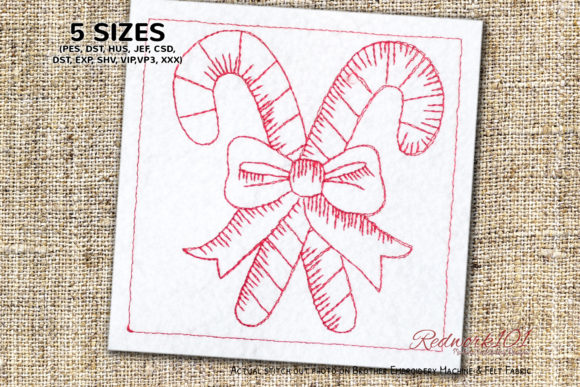
The first thing I look for in a new embroidery file is immediate visual clarity. The Christmas Candy Design strikes a balance between festive charm and modern simplicity. It does not rely on overly complex shading or dense fill stitches that can sometimes look messy from a distance. Instead, it offers a clean, graphic quality that reads well even when viewed from three feet away—a critical factor for booth displays.
The aesthetic feels approachable and cheerful. It avoids being too childish, which broadens its appeal to adult buyers looking for sophisticated holiday decor, yet it retains enough whimsy to attract families. The optional box stitch mentioned in the description is a thoughtful inclusion. It allows us, as makers, to decide whether we want a framed, badge-like appearance or a more integrated look where the candy seems to float on the fabric. This flexibility is vital for maintaining brand consistency across different product lines.
Product Versatility and Market Fit
When preparing my inventory for a winter market, I always ask: "Where does this design live best?" For the Christmas Candy Design, the answer is surprisingly broad. Here is how I envision it performing on various handmade products:
- Tote Bags: This is arguably the strongest candidate. A large-scale placement on a canvas tote creates an instant tote bag design that screams "holiday gift ready." The bold lines of the candy motif stand out against natural cotton or white canvas, making it a high-visibility item for impulse buys.
- Aprons and Tea Towels: Kitchen textiles are staples of holiday shopping. As an apron embroidery piece, the design works well on the bib or pocket area. For tea towel embroidery, the simplicity ensures it survives repeated washing without losing definition, provided the stitch density is managed correctly.
- Embroidered Patches: If you sell accessories, this design scales down beautifully for an embroidered patch. It can be ironed onto denim jackets, beanies, or backpacks, appealing to younger demographics who prefer customizable fashion.
- Caps and Hats: Curved surfaces are tricky. However, because the design appears to have clear outlines rather than massive solid fills, it can work on caps if kept to a moderate size. Always test on curved hoops to ensure no puckering occurs.
Production Practicality for Small Shops
For a small shop product line, efficiency is key. We cannot afford designs that take hours to stitch or require constant thread trimming. The Christmas Candy Design appears to favor speed and reliability. The note that "the color of outer Box is different color in most of the designs unless it is part of the design itself, you can skip the color directly" suggests a modular approach. This is excellent for batch production. It means you can streamline your workflow by skipping unnecessary stop-and-start sequences if the box outline is not required for your specific fabric choice.
Photography is another major consideration. In an era where online presence drives foot traffic to physical booths, your printable mockup and social media images must pop. This design’s clean lines photograph exceptionally well. It does not get lost in shadows or fabric folds, making it easier to create compelling design assets for your Etsy listings or Instagram posts. A clear, crisp image leads to higher click-through rates and better buyer engagement.
Technical Considerations and Careful Use
While the design is promising, professional judgment requires us to look at the technical constraints. Before running a full batch, consider these critical factors:
- Stitch Density and Fabric Texture: Always check the stitch density relative to your material. On thick fabrics like terry cloth towels, a low-density design might sink in and become invisible. Conversely, on thin silks, high density can cause puckering. The Christmas Candy Design should be tested on scrap fabric first to determine if a cut-away or tear-away stabilizer yields the best result.
- Thread Colors: The vibrancy of this design relies heavily on thread colors. Red and white are traditional, but consider modern palettes like mint green and gold, or navy and silver, to appeal to contemporary buyers. Ensure there is enough contrast between the candy elements and the background fabric.
- Hoop Size and Placement: Confirm the recommended hoop size before purchasing. If the design is too large for a standard 4x4 hoop, you may need a 5x7 or larger machine capability. Plan your placement carefully; off-center designs often look more dynamic on tote bags and aprons than perfectly centered ones.
- Small Details: If you plan to scale the design down for small pouches or ornaments, ensure that tiny details do not merge. What looks sharp at four inches wide might become a blob at one inch wide. Simplify if necessary by removing the optional box stitch to reduce clutter.
Maximizing Sales and Brand Value
Ultimately, the goal of using a digital embroidery file like this is to enhance the perceived value of your finished product. The Christmas Candy Design contributes to a cohesive holiday collection. When customers see this motif repeated across different items—perhaps a matching set of a tote, a towel, and an ornament—they are more likely to purchase multiple items. This increases your average order value.
Furthermore, using a well-executed design signals professionalism. Sloppy embroidery with broken threads or poor registration damages brand reputation. By choosing a design that is technically sound and visually appealing, you reinforce the quality of your handmade brand. It shows that you care about the details, which builds trust with buyers.
Final Designer Notes
Before you commit to producing fifty units for your next market, take these final steps. First, verify the commercial licensing terms. Most designers allow finished product sales, but always confirm you are compliant. Second, create at least one real-world mockup. Do not rely solely on digital previews. Stitch it out on the exact fabric you intend to sell. Check the back of the embroidery for neatness, as some customers inspect the inside quality.
The Christmas Candy Design has strong potential as a versatile, eye-catching addition to your holiday lineup. It balances festive spirit with modern design sensibilities, making it suitable for a wide range of commercial embroidery applications. With careful attention to thread choice, stabilizer selection, and product placement, this design can become a standout seller in your booth. Remember, the best designs are those that make the customer stop, smile, and imagine the item in their home. This design has the charm to do just that.