Police County Badge: A Designer’s Review for Business Merch
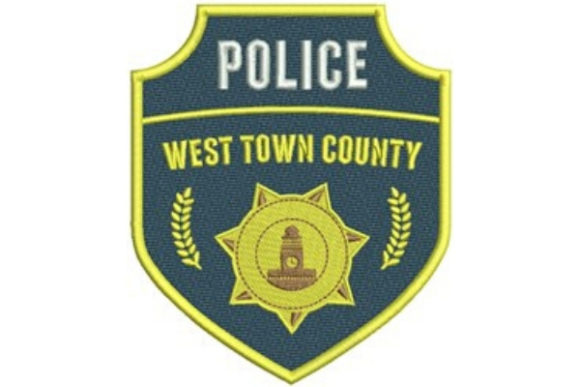
As an embroidery designer who has spent years digitizing and testing files for small business clients, I approach every new machine embroidery design with a critical eye. It is not just about whether a design looks pretty on a screen; it is about how it performs in the real world of commercial production. Recently, I evaluated the Police County Badge, a digital file intended for work-related apparel and branded merchandise. This review breaks down its potential for shop owners, Etsy sellers, and apparel decorators looking to elevate their product offerings.
First Impressions: Professionalism Meets Classic Authority
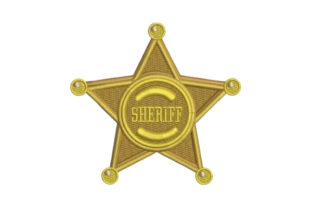
The moment I loaded the Police County Badge into my editing software, the visual weight of the design stood out. It does not attempt to be overly playful or whimsical. Instead, it projects a sense of authority, tradition, and reliability. For businesses operating in the Work category, this aesthetic is invaluable. The design feels classic and structured, resembling the traditional badges associated with law enforcement and security sectors.
However, its utility extends beyond literal police uniforms. The shape and structure offer a vintage, established feel that can lend credibility to any brand wanting to project trustworthiness. Whether you are running a security firm, a private investigation agency, or even a themed café looking for a rugged, authoritative vibe, this badge carries a strong visual message. It is bold without being aggressive, making it a versatile asset for various design assets in your library.
Real-World Applications for Small Business Merchandise
The true test of any digital embroidery file is its versatility across different products. Here is how I envision the Police County Badge performing in a commercial setting:
- Embroidered Patches: This is perhaps the strongest use case. The badge format is naturally suited for patch creation. You can stitch this onto twill or felt backings to create high-value add-ons for customers. These patches can be sold individually or attached to jackets, bags, and hats as part of a uniform package.
- Staff Uniforms and Work Shirts: For security companies or event staff, placing this badge on the chest pocket area of a polo or button-down shirt creates an immediate sense of professionalism. It serves as a clear identifier, enhancing brand identity and helping customers locate staff members easily.
- Cap Embroidery: A badge design often translates well to headwear. However, placement is key. On a structured cap, this design can serve as a central focal point. It adds a layer of seriousness and style to what might otherwise be a plain hat, increasing the perceived value of the custom apparel.
- Tote Bag Design: For boutique shops or markets, embroidering this badge on heavy canvas tote bags creates a durable, stylish accessory. It moves the item from a simple bag to a statement piece, appealing to customers who appreciate rugged, utilitarian aesthetics.
- Apron Embroidery: Consider niche markets like barbershops, butcher shops, or industrial-style cafes. An apron featuring this badge adds a thematic touch that aligns with a vintage or authoritative brand story, making the handmade product stand out in a crowded market.
Technical Considerations for Production Quality
While the aesthetic appeal is strong, successful commercial embroidery requires technical precision. When working with the Police County Badge, there are several factors you must evaluate before hitting the start button on your machine.
Stitch Density and Fabric Texture
Badge designs often feature solid fills to create a bold look. High stitch density can cause puckering if not managed correctly. If you are stitching this on lightweight fabrics, such as thin cotton shirts, you must use a cut-away stabilizer to support the weight of the threads. For heavier materials like denim or canvas, a tear-away stabilizer might suffice, but always test first. The interaction between the thread and the fabric texture will determine the crispness of the final outline.
Size and Detail Clarity
One common pitfall with badge designs is shrinking them too much. If you plan to use this as a small chest logo, ensure that any internal details or text remain legible. If the design includes fine lines, they may merge or break when scaled down. I recommend stitching a test sample at your intended size to check for clarity. If the details become muddy, consider simplifying the design or increasing the dimensions.
Thread Color Contrast
The impact of this badge relies heavily on contrast. Traditional gold or silver metallic threads against navy or black fabric create a premium, official look. However, metallic threads can be tricky to work with due to breakage. If you are producing high volumes, consider using high-sheen rayon or polyester threads in yellow or gray as alternatives. Always check your thread colors against the base garment to ensure the badge pops rather than blends in.
Enhancing Brand Identity and Customer Trust
In the world of small business merch, perception is reality. A well-executed embroidered badge signals quality and attention to detail. When customers see a clean, professional Police County Badge on a product, it subconsciously reinforces the idea that the brand is established and trustworthy. This is crucial for businesses selling safety equipment, security services, or even heritage-style clothing.
Furthermore, consistency in branding is key. If you use this badge across multiple touchpoints—such as on employee uniforms, packaging inserts, and promotional embroidered patch giveaways—it creates a cohesive visual language. This consistency helps in building recognition. For Etsy sellers, offering items with this specific badge can help niche down your audience, attracting buyers who are specifically looking for law-enforcement-themed or authoritative-style decor and apparel.
Practical Designer Notes for Best Results
Before integrating the Police County Badge into your product line, follow these practical steps to ensure a smooth production process:
- Test in Monochrome First: Stitch the design in black thread on white fabric, and vice versa. This helps you identify any gaps in coverage or issues with spacing without the distraction of color.
- Verify Hoop Size: Ensure the design fits comfortably within your machine’s hoop size. Leaving adequate margin around the design prevents hoop burns and allows for proper stabilization.
- Create a Printable Mockup: Before stitching on expensive garments, create a printable mockup to show clients or to visualize the placement. This saves time and materials during the approval phase.
- Check Licensing Terms: Always confirm the commercial licensing terms of the embroidery file. Ensure you have the right to sell finished products made with this design, especially if you are producing for third-party clients.
- Inspect the Finished Product: After washing and drying the test piece, check for thread loosening or fabric distortion. This step is vital for items like uniforms or aprons that will undergo frequent laundering.
In conclusion, the Police County Badge is a robust addition to any Embroidery designer’s portfolio. It offers a blend of classic authority and versatile application, suitable for a wide range of Work-related and lifestyle products. By paying attention to technical details like stabilizer choice and stitch density, you can transform this digital file into a high-value physical product that enhances your brand’s professional image.