Baby Elephant with Hat: A Designer’s Review
As an embroidery designer who spends countless hours digitizing and testing patterns, I approach every new machine embroidery design with a critical eye. It is not just about whether the file runs smoothly; it is about how the final piece feels in a customer’s hands. Recently, I tested the Baby Elephant with Hat design to see if it truly delivers on its promise as a standout item for personalized gift products. This review is written from the perspective of someone preparing this pattern for a real-world shop, considering everything from stitch quality to market appeal.
First Impressions: Charm and Emotional Appeal
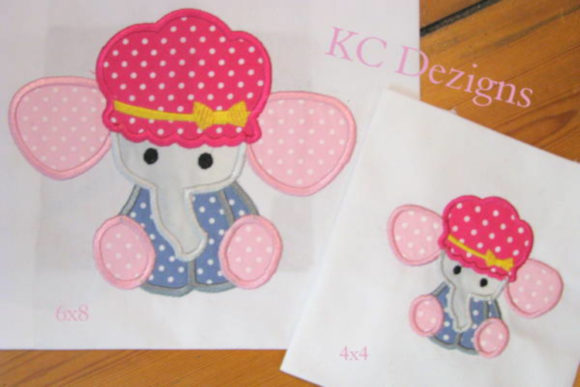
The moment I loaded the digital embroidery file into my software, the mood of the design was immediately apparent. The Baby Elephant with Hat exudes a sense of playful innocence that is perfectly suited for the Baby Animals category. It is not overly complex, which is often a benefit for applique designs, but it retains enough detail to feel special. The hat adds a whimsical touch that elevates the motif from a simple animal outline to a character with personality.
For makers, this emotional connection is vital. When a customer sees this design on a personalized gift, they are not just buying thread on fabric; they are buying a feeling of warmth and nostalgia. The design feels sweet and classic rather than trendy, which means it has longevity in a product line. It avoids being too modern or abstract, making it accessible to a wide range of buyers looking for traditional, handmade charm.
Versatility Across Product Lines
One of the strongest aspects of this design is its adaptability. While the product description highlights its use on a baby blanket, my testing revealed it performs well across various substrates. For Etsy sellers and small business owners, versatility is key to maximizing the value of a single purchase. Here is how I envision this design working in a diverse catalog:
- Baby Embroidery: Naturally, this is the primary market. The design works beautifully on burp cloths, receiving blankets, and onesies. The soft curves of the elephant complement the softness of baby items.
- Nursery Decor: Imagine this stitched onto a canvas wall hanging or a decorative pillow. It serves as a gentle focal point in a nursery theme.
- Wedding Gift: While seemingly juvenile, baby motifs are increasingly popular for wedding gifts, particularly for couples expecting their first child. It fits nicely into a "shower" or "expecting" gift bundle.
- Home Textiles: An embroidered towel or kitchen apron featuring this elephant adds a touch of whimsy to daily chores. It appeals to those who love cute, functional home goods.
- Tote Bags and Pillows: The applique nature of the design means it lays relatively flat, making it ideal for tote bags that need to be folded or stored. A pillow cover with this motif becomes an instant bestseller for spring collections.
Technical Considerations for Makers
Before listing this as a small shop product, technical diligence is required. Since this is a machine applique design, the process involves stitching a placement line, laying down fabric, and then covering the raw edges with a satin or zigzag stitch. Here are the practical notes from my test run:
Fabric and Stabilizer Selection
The success of any custom embroidery project relies heavily on the foundation. For this design, I recommend using a cut-away stabilizer for stretchy fabrics like jersey knits used in baby clothes. For woven fabrics like towels or linen, a tear-away stabilizer may suffice, but always test first. The fabric texture plays a significant role; plush minky blankets require a topping to prevent the stitches from sinking into the pile, ensuring the elephant remains crisp and visible.
Thread Colors and Contrast
Because the design features a hat, you have an opportunity to play with thread colors. I found that contrasting the hat color against the elephant’s body creates a more dynamic look. However, be mindful of the background fabric. On dark fabrics, ensure the elephant’s outline is light enough to stand out. I strongly advise creating a printable mockup or stitching a sample on both light and dark swatches to confirm visibility before fulfilling customer orders.
Hoop Size and Stitch Density
The product description does not specify the exact hoop size or stitch count. As a professional, I must emphasize that you should check these details in your software before purchasing or using the file. Applique designs generally have lower stitch density than fill-stitch designs, which reduces puckering. However, if the hoop size is small, ensure the details of the hat and trunk do not become lost. Always stitch a test on scrap fabric identical to your final product to check for registration issues.
Marketability and Customer Trust
From a business standpoint, the Baby Elephant with Hat enhances the perceived value of a handmade product. Customers associate clean, well-executed applique with high-quality craftsmanship. When used in product photography, this design draws the eye due to its recognizable shape and cute aesthetic. It encourages buyer engagement because it invites personalization—perhaps adding a name below the elephant or choosing specific thread colors to match a nursery palette.
For commercial embroidery users, verifying the license is crucial. Ensure that the digital embroidery file comes with commercial rights if you plan to sell the finished product. Transparency about licensing builds trust with your customers and protects your business. If the design allows for scaling, consider offering different sizes for different products, such as a smaller version for socks and a larger one for blankets.
Where to Use Caution
While versatile, this design is not without its limitations. Delicate details can get lost on highly textured fabrics like thick terry cloth towels if the stitch width is not adjusted. Additionally, avoid placing the design on curved surfaces like the toe of a sock or the shoulder seam of a onesie without proper hooping techniques, as distortion can occur. If you are stitching on dark fabric, use a lighter underlay or backing to prevent the base fabric from showing through the applique fabric.
Final Verdict for Embroidery Professionals
The Baby Elephant with Hat is a solid addition to any library of Embroidery designs focused on children and gifts. It balances simplicity with charm, making it efficient to stitch while still delivering a high-impact visual result. For wedding gift creators, baby boutique owners, and general crafters, this design offers a reliable way to create emotionally resonant items. By paying attention to stabilizer choice, thread contrast, and fabric preparation, you can ensure that every piece you produce meets the high standards expected of a professional maker. Remember to always test on scrap fabric and confirm all technical specifications in your software to guarantee the best possible outcome for your customers.